
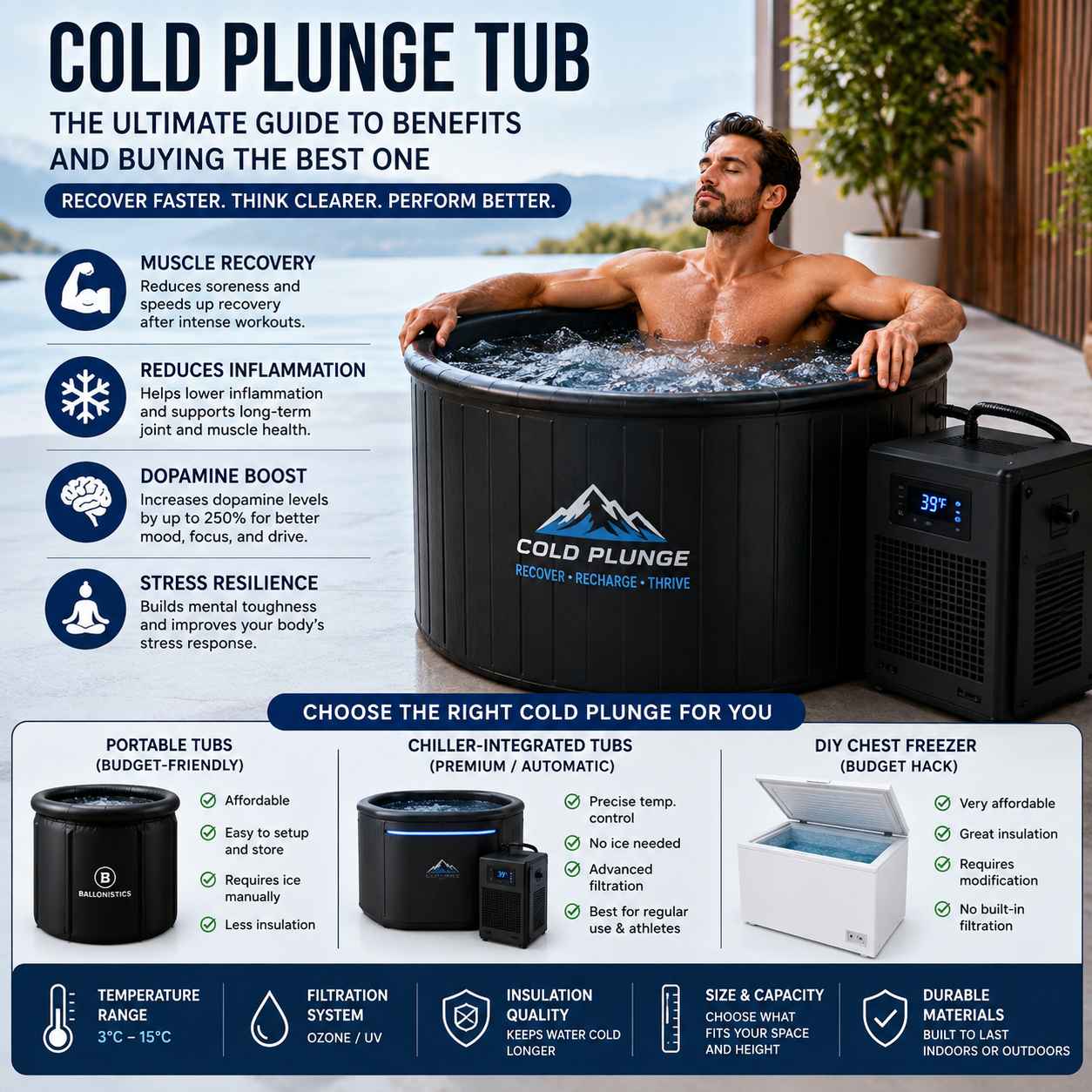
Introduction: Why Cold Plunge Therapy Is Becoming a Global Wellness Trend
In recent years, cold plunge therapy has evolved from a specialized recovery technique used primarily by elite athletes into a mainstream wellness practice embraced by people across the globe. Professional athletes have long relied on ice baths to accelerate muscle recovery and maintain peak performance, while celebrities, entrepreneurs, and high achievers have popularized cold water therapy as part of their daily routines for improving mental clarity and resilience. This growing trend is not simply driven by social media influence, but by a combination of scientific validation and powerful personal experiences that highlight the physical and psychological benefits of cold exposure.
As modern lifestyles become increasingly demanding, many individuals are searching for effective ways to manage stress, enhance recovery, and improve overall well-being. A cold plunge tub offers a practical solution by delivering immediate physiological responses that positively impact both the body and mind. From boosting circulation and reducing fatigue to sharpening focus and enhancing mood, the effects of cold water immersion can be felt almost instantly. This is why investing in cold plunge tubs is no longer considered a luxury purchase, but rather a strategic addition to a home gym or wellness routine, especially for those seeking long-term performance and health benefits.
Science-Backed Benefits of Cold Plunge Therapy
Cold water therapy is supported by a growing body of scientific research that explains how the body responds to cold exposure and why it produces such powerful benefits. These physiological responses make cold plunge tubs an effective tool for recovery, mental health, and overall performance optimization.
Faster Muscle Recovery and Reduced Soreness
One of the most well-documented benefits of cold plunge therapy is its ability to accelerate muscle recovery after intense physical activity. When the body is exposed to cold water, blood vessels constrict in a process known as vasoconstriction, which helps reduce swelling and inflammation in muscle tissues. This response limits the accumulation of metabolic waste products such as lactic acid, which are responsible for post-exercise soreness.
Once the body warms up after exiting the cold plunge, blood vessels dilate again, allowing oxygen-rich blood and essential nutrients to flow back into the muscles. This process enhances tissue repair and significantly reduces delayed onset muscle soreness, making cold plunge therapy an essential component of recovery tubs used by athletes and fitness enthusiasts alike.
Inflammation Reduction and Injury Prevention
Inflammation is a natural response to physical stress, but excessive or prolonged inflammation can hinder recovery and increase the risk of injury. Cold water immersion helps regulate the body's inflammatory response by lowering tissue temperature and slowing down inflammatory processes. Research has shown that regular use of cold plunge tubs can reduce markers of inflammation, which contributes to faster recovery and improved physical performance over time.
For individuals who engage in high-intensity workouts or physically demanding routines, incorporating cold water therapy can provide a protective effect by minimizing muscle damage and supporting long-term joint health.
Dopamine Boost and Enhanced Mental Clarity
Beyond its physical benefits, cold plunge therapy has a profound impact on brain chemistry. Studies indicate that exposure to cold water can significantly increase dopamine levels, sometimes by as much as 250 percent. Dopamine is a neurotransmitter that plays a key role in motivation, focus, and emotional well-being.
This increase in dopamine explains why many individuals feel a sense of alertness, energy, and mental clarity after a cold plunge session. Unlike stimulants such as caffeine, which can lead to crashes, the effects of cold exposure are more stable and sustained. As a result, cold plunge tubs are increasingly used not only for physical recovery but also for improving productivity and cognitive performance.
Improved Stress Tolerance and Mental Resilience
Cold water therapy also acts as a form of controlled stress that trains the nervous system to adapt more effectively to challenging situations. When you immerse yourself in cold water, your body initially reacts with a stress response, including rapid breathing and increased heart rate. However, by consciously controlling your breathing and remaining calm, you teach your body to handle stress more efficiently.
Over time, this practice enhances mental resilience, allowing you to remain composed under pressure in everyday life. This is one of the reasons why many high performers integrate cold plunge therapy into their routines as a tool for building discipline and emotional control.
Buying Guide: Choosing the Right Cold Plunge Tub
Selecting the right cold plunge tub depends on your budget, available space, and how frequently you plan to use it. Understanding the different types available on the market will help you make an informed decision.
Balloonistics and Portable Tanks: A Budget-Friendly Entry Point
Portable cold plunge tubs are designed for convenience and affordability, making them an excellent option for beginners who want to experience cold water therapy without a significant financial commitment. These tubs are typically made from lightweight materials such as reinforced PVC and can be inflated or folded for easy storage.
While they are easy to set up and transport, portable tubs often lack advanced insulation, which means the water temperature can rise quickly, especially in warmer climates. Additionally, users need to manually add ice to maintain the desired temperature. Despite these limitations, portable tanks remain a practical choice for those who want to test the benefits of cold plunge therapy before upgrading to a more advanced system.
Chiller-Integrated Cold Plunge Tubs: Premium and Automated
Chiller-integrated cold plunge tubs represent the premium segment of the market and are ideal for users who want a consistent and hassle-free experience. These systems come equipped with a water chiller for cold plunge functionality, allowing precise temperature control without the need for ice.
In addition to temperature regulation, many of these systems include advanced filtration technologies such as ozone or UV filtration, which keep the water clean and safe for repeated use. Although the initial investment is higher, the convenience, durability, and performance of these systems make them the best cold plunge for home gym setups or even commercial cold plunge facilities.
DIY Chest Freezers: A Cost-Effective Alternative
For those who prefer a hands-on approach, converting a chest freezer into a cold plunge tub is a popular DIY solution. This method offers excellent insulation and the ability to achieve very low temperatures at a fraction of the cost of commercial systems.
However, DIY setups require careful modification to ensure safety, including proper sealing and electrical precautions. They also lack built-in filtration systems, which means regular cleaning and maintenance are essential. While this option is highly cost-effective, it is best suited for individuals who are comfortable with technical setup and ongoing upkeep.
Comparison Table: Chiller vs Ice Manual Systems
| Feature | Chiller System (Automatic) | Ice Manual System |
|---|---|---|
| Temperature Control | Offers precise and consistent temperature settings | Depends on the amount of ice added |
| Convenience | Highly convenient with minimal daily effort | Requires regular effort to maintain temperature |
| Cost | Higher upfront investment | Lower initial cost |
| Maintenance | Low due to built-in filtration systems | Moderate, requires cleaning and ice management |
| Ideal Use Case | Best for frequent users and commercial cold plunge setups | Suitable for beginners and occasional use |
Key Features to Look For in Cold Plunge Tubs
When evaluating different cold plunge tubs, it is important to focus on features that directly impact performance, durability, and user experience.
- Temperature Range: A good cold plunge system should allow you to adjust the temperature between approximately 3°C and 15°C, enabling both beginners and advanced users to customize their experience.
- Filtration System: High-quality systems include ozone or UV filtration to maintain water hygiene, reduce bacteria, and minimize the need for frequent water changes.
- Insulation: Proper insulation is essential for maintaining cold temperatures and reducing energy consumption, particularly for systems that use a water chiller for cold plunge setups.
- Size and Capacity: Ensure that the tub comfortably fits your body size and can be installed in your intended space, whether indoors or outdoors.
- Material Quality: Durable materials such as stainless steel or reinforced composite materials ensure longevity and resistance to environmental conditions.
Step-by-Step Guide: How to Use a Cold Plunge Tub for the First Time
If you are new to cold plunge therapy, it is important to approach it gradually and safely to maximize benefits while minimizing discomfort.
Begin by setting the water temperature between 10°C and 15°C, which is suitable for beginners. Extremely cold temperatures can be overwhelming and are not necessary to achieve benefits in the early stages. When entering the cold plunge tub, do so slowly and allow your body to adapt to the temperature change rather than jumping in abruptly.
During the immersion, focus on controlled breathing. Deep, steady breaths help regulate your body's response to the cold and prevent panic. Start with a duration of two to three minutes, and gradually increase your time as your tolerance improves. Over time, you may extend your sessions to five or even ten minutes depending on your comfort level.
After completing your session, exit the tub carefully and allow your body to warm up naturally. It is generally recommended to avoid immediate hot showers, as this can counteract some of the beneficial physiological responses triggered by cold exposure.
Safety should always be a priority. Individuals with cardiovascular conditions or other health concerns should consult a medical professional before starting cold water therapy. Additionally, beginners should avoid using cold plunge tubs alone until they are comfortable with the process.
Conclusion: Is Investing in a Cold Plunge Tub Worth It?
A cold plunge tub represents more than just a wellness trend; it is a scientifically supported tool that can significantly enhance both physical recovery and mental performance. Whether you are an athlete seeking faster recovery, a fitness enthusiast looking to improve endurance, or a professional aiming to boost focus and productivity, cold water therapy offers measurable and lasting benefits.
For beginners, portable cold plunge tubs provide an accessible starting point, while advanced users may benefit from chiller-integrated systems that offer convenience and precision. Even DIY solutions can be effective when implemented correctly, making cold plunge therapy accessible to a wide range of users.
Ultimately, the value of this investment depends on your commitment to incorporating it into your routine. When used consistently, a cold plunge tub can become one of the most impactful tools in your health, fitness, and performance journey.