
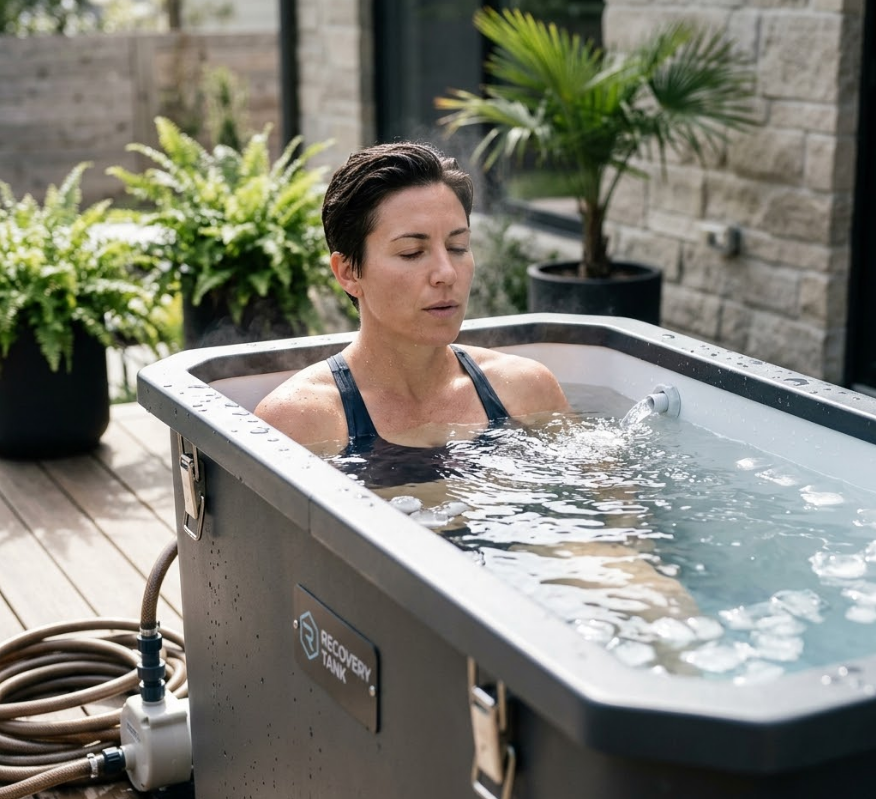
The practice of submerging your body into freezing water is no longer reserved for elite athletes or eccentric wellness gurus. Millions of people around the world are deliberately stepping into freezing tanks every morning. What used to be a niche biohack has evolved into a global wellness movement.
Whether you are looking into an ice bath at home or exploring commercial cold plunge options for a wellness business, understanding the mechanics of cold water therapy is the first step toward transforming your daily routine. This comprehensive guide will walk you through the science, the equipment, and the exact steps needed to build your ultimate setup.
1. The Science and Benefits of Cold Water Therapy
Before investing in equipment, it is essential to understand exactly what happens to your body when you submerge it into cold water. The immediate shock you feel when stepping into freezing water triggers a massive, systemic physiological response.
The Immediate Neurological Response
When your skin hits cold water, your sympathetic nervous system is instantly activated. This triggers a sudden release of noradrenaline and dopamine. Noradrenaline levels can spike by over 500 percent, while dopamine levels rise steadily and remain elevated for several hours after you exit the water. This chemical shift explains the intense mental clarity, sharp focus, and elevated mood that enthusiasts report experiencing throughout the day.
Physical Recovery and Inflammation Reduction
From a physical standpoint, cold exposure forces your blood vessels to constrict rapidly, a process known as vasoconstriction. This movement shunts blood away from your extremities and toward your core to protect your vital organs. When you exit the tank, your vessels dilate, allowing oxygenated, nutrient-rich blood to rush back into your muscles. This natural pumping action helps flush out metabolic waste, decreases muscle soreness, and accelerates recovery after intense physical exertion.
2. Choosing Your Setup: Ice Baths at Home vs. Commercial Options
The market for cold plunge tanks has expanded dramatically over the last few years. Choosing the right setup depends entirely on your space, your budget, and how much maintenance you are willing to handle.
Creating an Ice Bath at Home
For beginners, an ice bath at home is often the easiest entry point. This can range from a budget-friendly insulated pod to a dedicated tub placed on a patio or backyard deck.
- The Budget Setup: Simple, non-plumbed insulated pods require you to manually add bags of ice before every session. While cheap upfront, buying bags of ice continuously quickly becomes expensive and time-consuming.
- The Dedicated Tub Setup: Premium home setups feature dedicated recovery tubs made from durable materials like acrylic, fiberglass, or modified wood. These are designed to stay outside permanently and withstand the elements.
Upgrading to the Best Cold Plunge for a Home Gym
If you are designing a dedicated fitness space, looking for the best cold plunge for a home gym usually means prioritizing convenience and consistent temperatures. A premium home gym setup typically includes an insulated tank paired with a dedicated cooling unit. This eliminates the need for ice altogether, ensuring that your water is always sitting at the perfect temperature whenever you finish a workout.
Investing in a Commercial Cold Plunge
For gym owners, physical therapy clinics, or wellness spas, a standard residential tub will not suffice. A commercial cold plunge must be built to handle heavy, continuous foot traffic. These systems feature heavy-duty commercial water chillers, high-flow filtration pumps, and powerful ultraviolet or ozone sanitation systems to keep the water crystal clear for dozens of consecutive users every single day.
3. The Heart of the System: Chillers and Water Quality
If you decide to step away from buying manual ice bags, you will need to understand the technical heart of any modern setup, which is the water chiller for cold plunge systems.
Understanding the Water Chiller
A dedicated water chiller for cold plunge setups acts like a powerful refrigerator for your tub. Chillers are measured in horsepower, usually ranging from one-quarter horsepower for small indoor tubs up to one full horsepower for large outdoor or commercial units. A stronger chiller cools the water faster and maintains freezing temperatures even when the ambient outdoor air is incredibly hot. Many modern chillers also feature built-in heating elements, allowing you to use the tub for hot therapy during the winter months.
Maintaining Safe, Clean Water
Keeping your water clean is crucial when you are not draining the tub after every single use. A proper filtration and sanitation routine keeps the water safe and clear for months at a time.
| Component | Function | Maintenance Frequency |
| Sediment Filter | Catches hair, skin flakes, and outdoor debris | Rinse weekly; replace monthly |
| Ozone Generator | Destroys bacteria and viruses naturally | Runs automatically during filtration |
| Sanitizer (Low-Chlorine/Bromine) | Provides residual protection against pathogens | Test and adjust once per week |
4. How to Build Your Cold Plunge Routine Safely
Stepping into freezing water requires a calculated, respectful approach. It is a powerful stressor on the human body, meaning safety must always come first.
Temperature and Timing Guidelines
You do not need to sit in near-freezing water for an hour to reap the benefits of cold water therapy. In fact, doing so can be incredibly dangerous.
- The Temperature Sweet Spot: For most people, a temperature range between 45 and 55 degrees Fahrenheit is optimal. Beginners should start closer to 55 degrees and gradually lower the temperature as their tolerance builds.
- The Time Limit: Research suggests that just eleven total minutes of cold exposure per week, broken down into short sessions of two to three minutes each, is all it takes to trigger the maximum metabolic and recovery benefits.
The Importance of Breath Control
The biggest hurdle during the first sixty seconds of a plunge is the initial gasp reflex. When you first submerge, your body naturally wants to hyperventilate. You can counteract this by focusing on slow, deep, controlled exhalations. Extending your exhale to twice the length of your inhale signals to your brain that you are safe, allowing your nervous system to transition from panic into a state of calm resilience.
Conclusion and Next Steps
Integrating a cold water plunge into your lifestyle can completely transform your physical recovery and mental resilience. Whether you choose a simple home setup with manually added ice or invest in a premium tank with a dedicated chiller, the physiological benefits remain undeniable. Consistency is the true key to unlocking everything this practice has to offer.